
WORK PROCESS
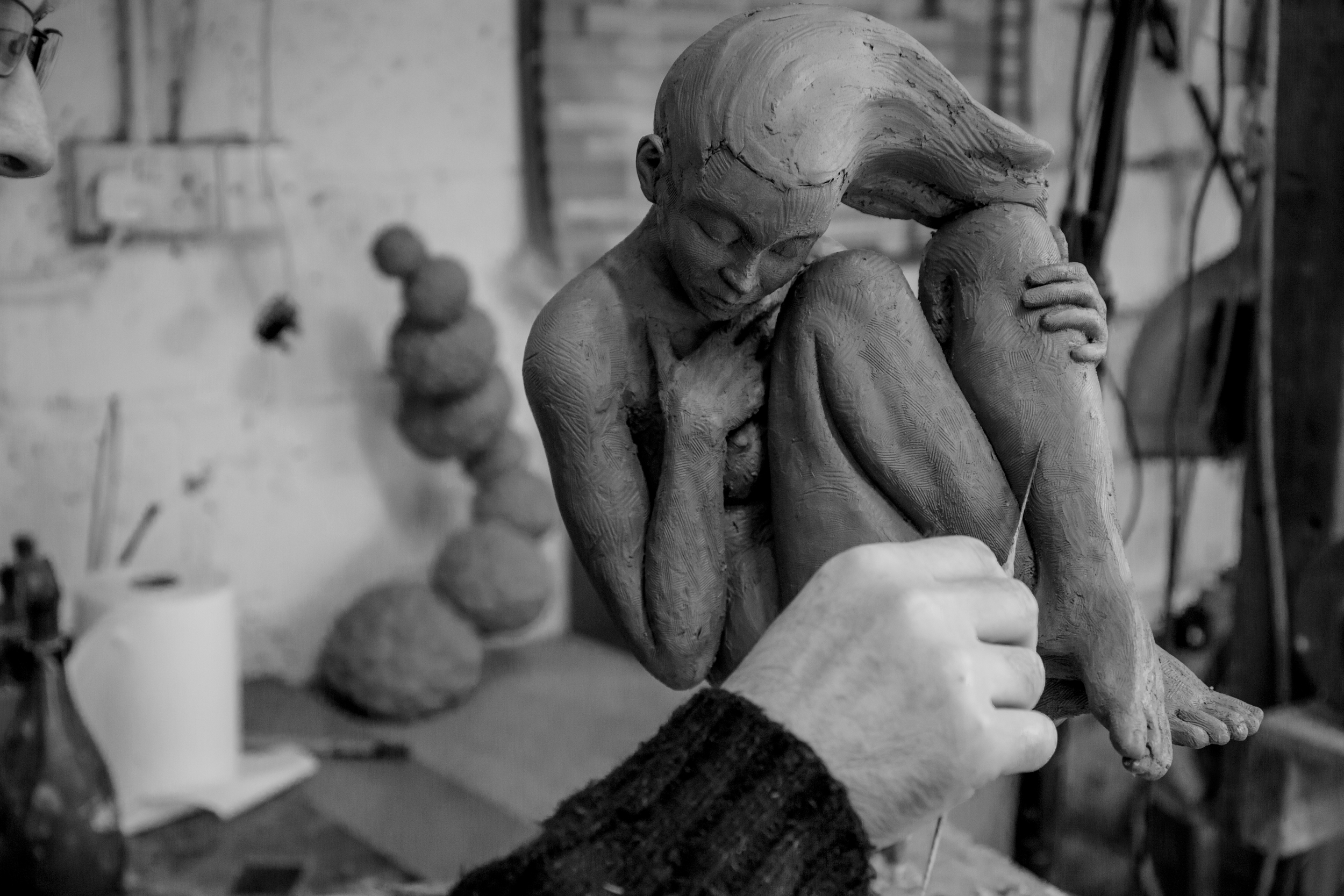
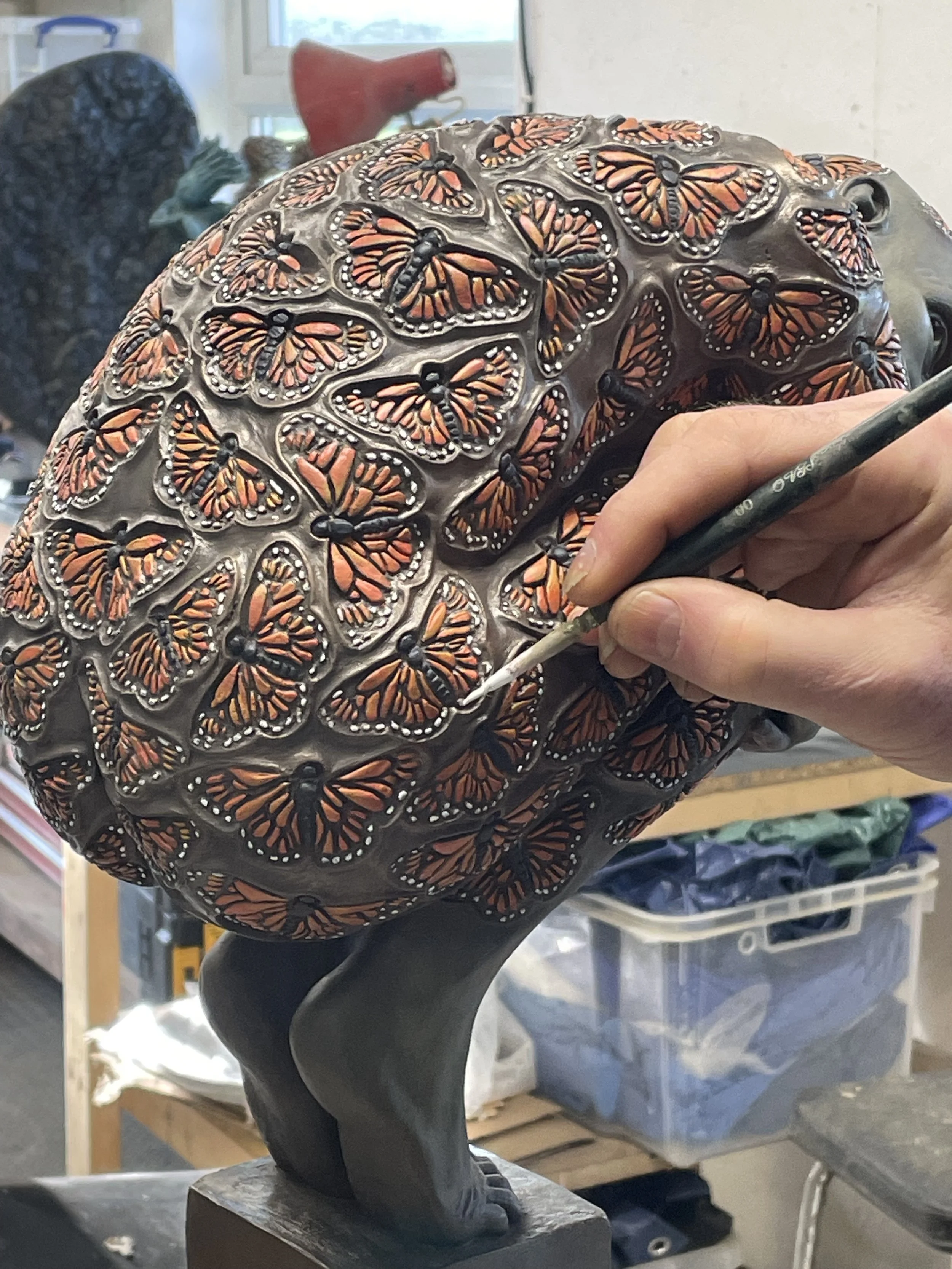
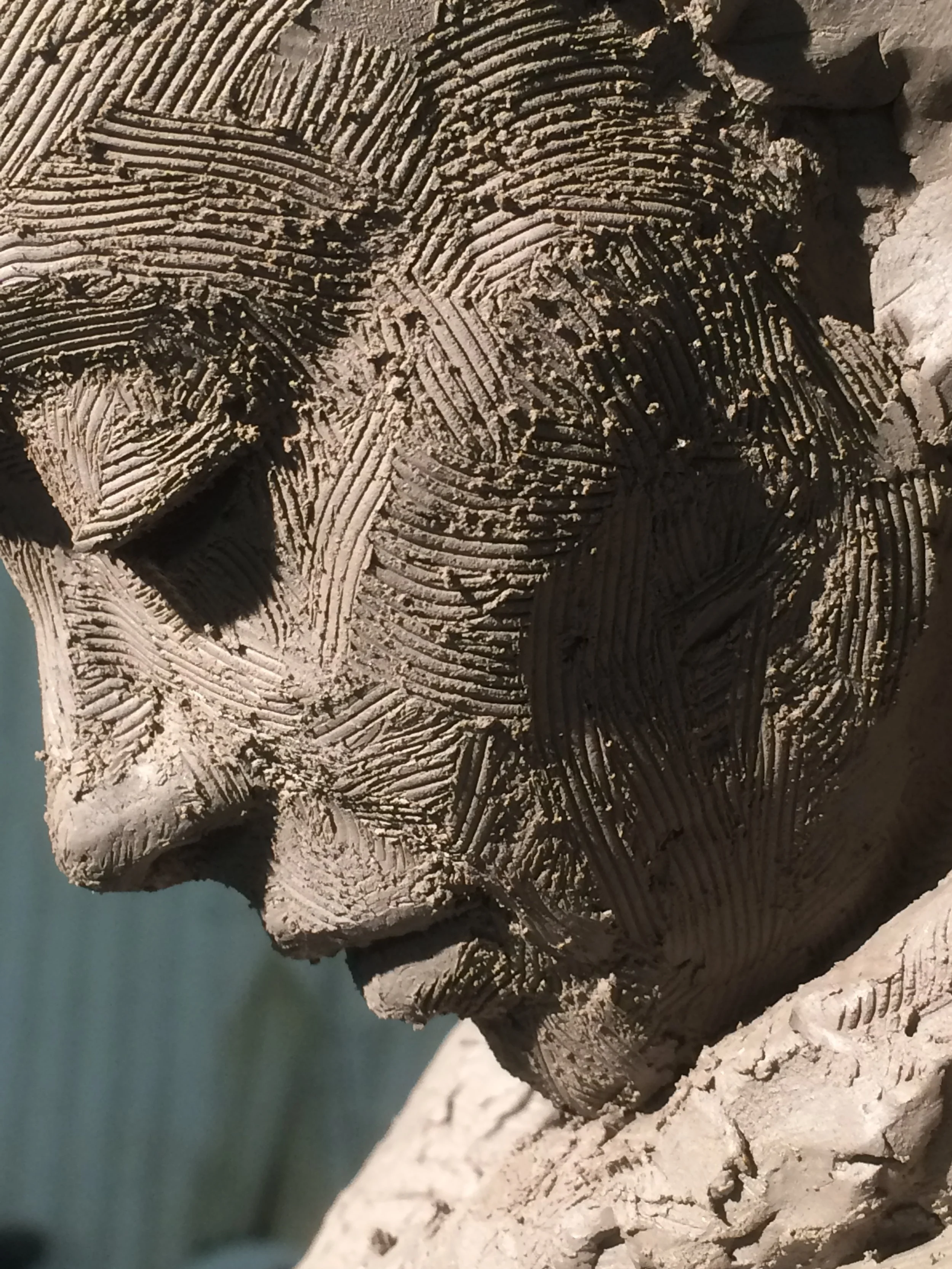
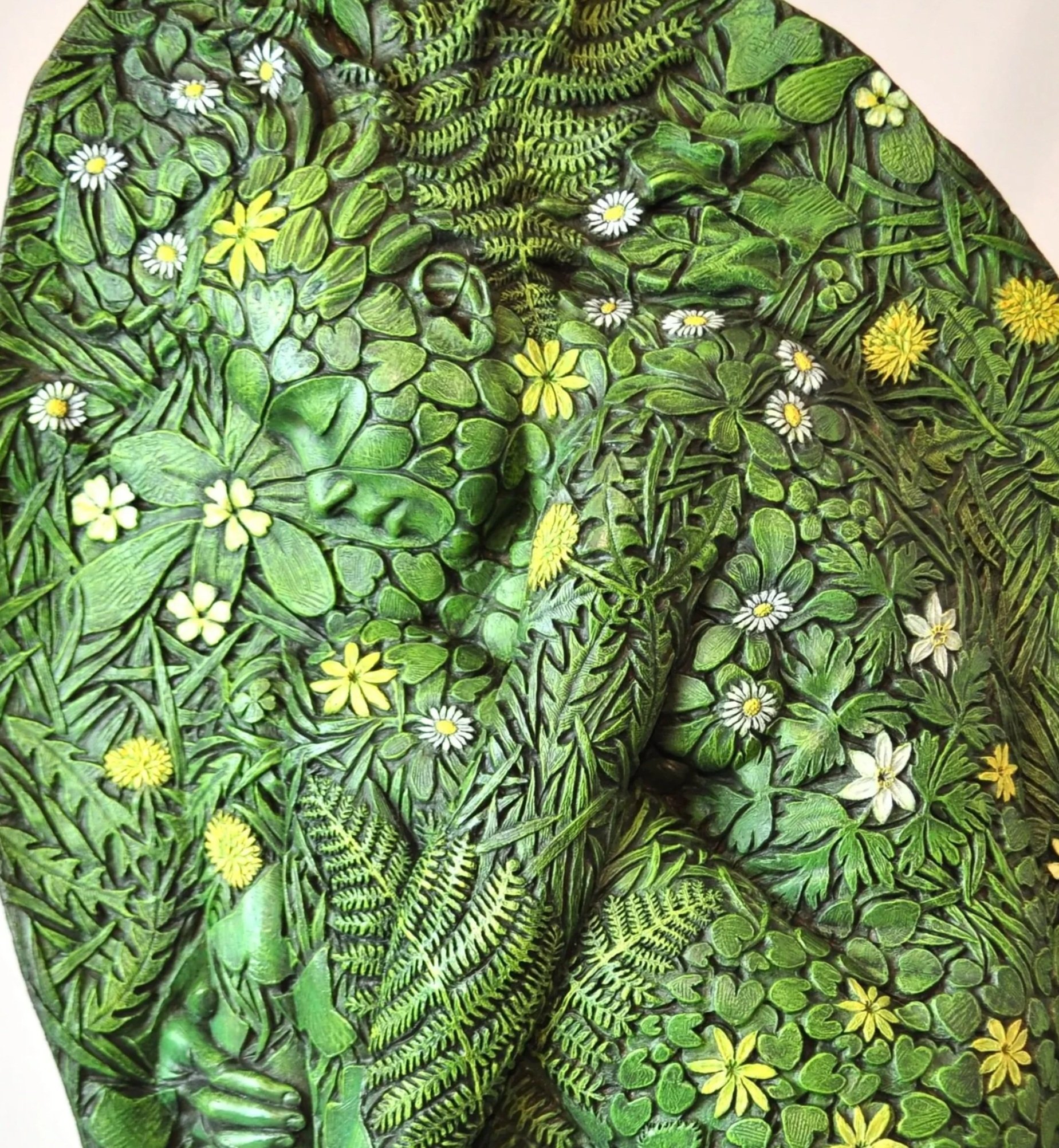
Working in clay, Jonathan enjoys the challenge of creating from both the real and imagined. Through his close observation and manipulation of materials, Jonathan is able to create detail and texture or surface bas-relief on his sculpture, which are hand finished and painted to accentuate the relief.
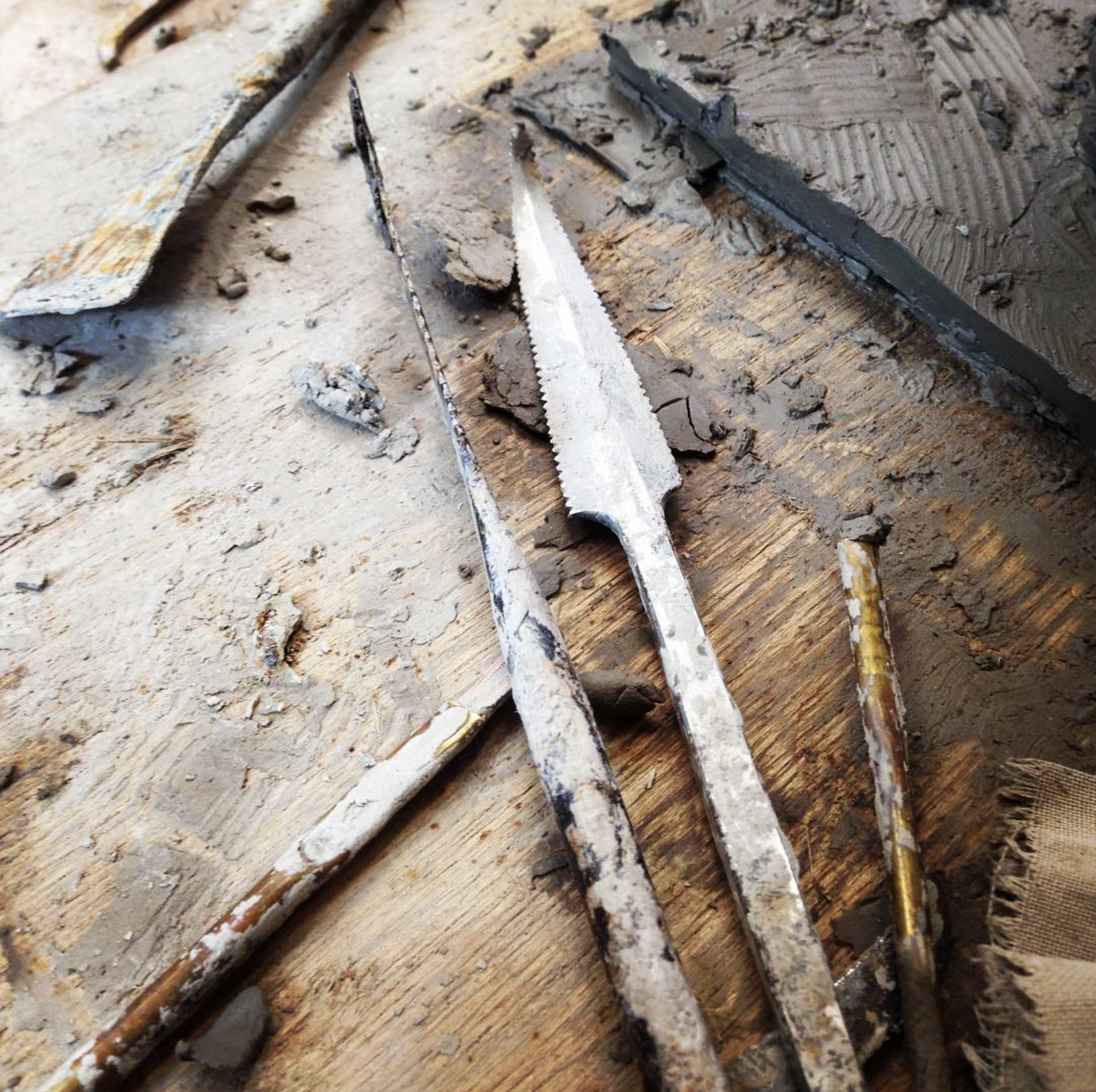
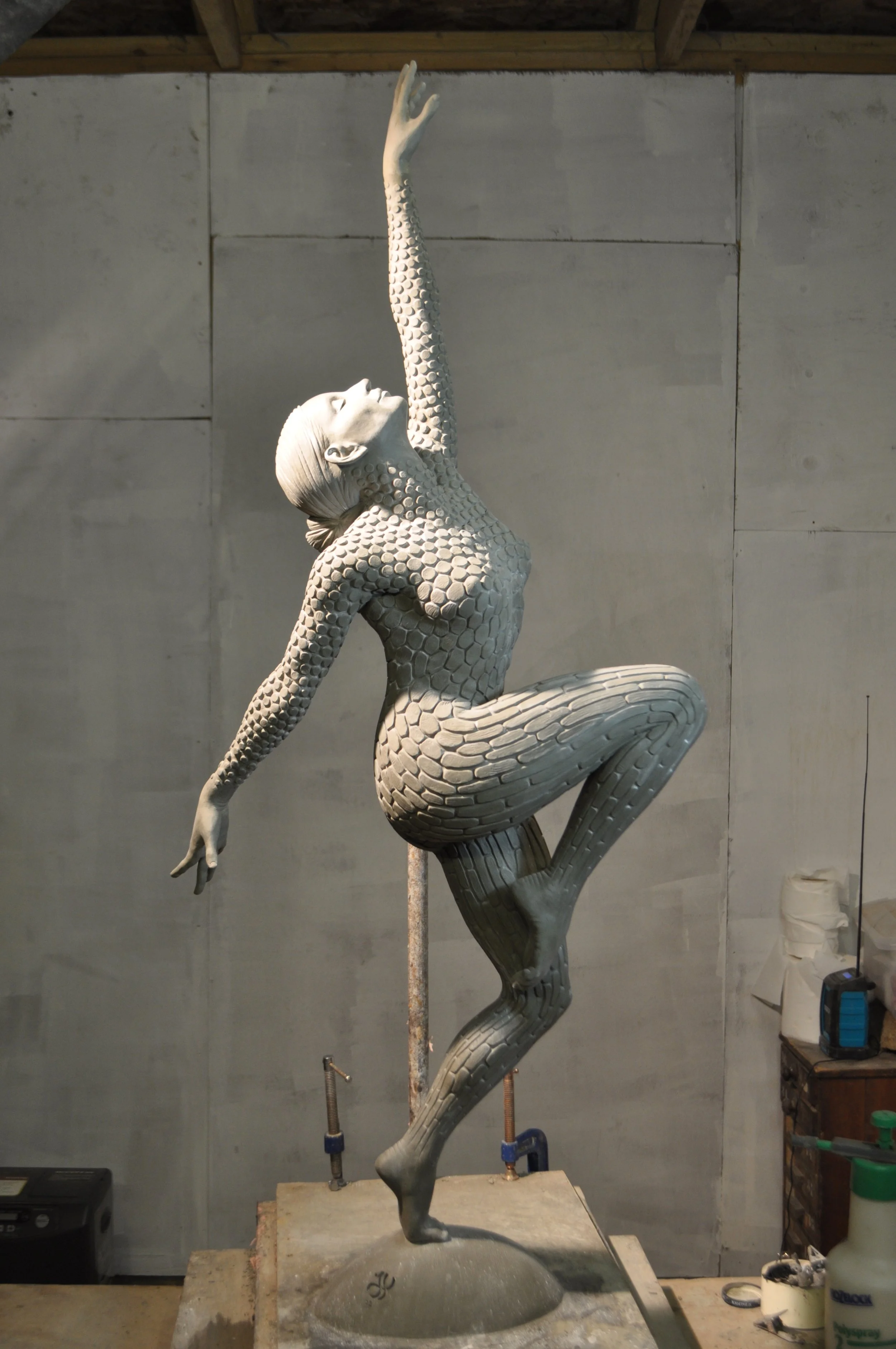
Following the initial idea and sketches, a metal armature is constructed to the desired pose which is quickly covered in clay. It is at this stage that Jonathan gets a real sense of the form before gradually refining the figure to a ‘finished’ stage. Depending on the intention of the piece, he then begins meticulously cutting into the figure’s surface so that a new detailed relief is created which will, when the sculpture is cast, be highlighted with painted colour.
Bronze sculpture involves the ‘lost wax process’ – it is highly skilled, complex, time and labour intensive, which causes bronzes to be more expensive. Unlike a bronze resin, each edition is totally unique and there is a depth of colour, which you can’t achieve in a resin, and this improves with age. They are much heavier, cold to touch and you can guarantee the sculpture will be around for numerous generations!
Bronze resin sculpture is also known as ‘cold cast bronze’ – it’s made from a mixture of bronze powder and resin and the casting is faster and less expensive than casting in bronze.
The sculpture is lighter but can break more easily (although easily repaired) and the surface will dull over the years but it can sustain being outside for long periods of time.
These sculpted figures hold, on their surface, unlimited canvasses which Jonathan can position as he wishes in order to express our relationship with nature and the world.
MOULDING AND CASTING
Could you describe how a sculpture evolves in your studio, from idea to the final bronze or resin bronze piece?
“I generally start by waiting for ideas to drop into my head… though I have certainly faced the artists block situation, sitting at a drawing board. However and whenever it comes, I usually sketch something quickly into a sketchbook. These sketches are quite basic, but enough for me to describe to a model during a photoshoot, what I am after in a pose. From these images I would usually base a larger sketch, from which to weld in steel, an armature. I then apply clay to the armature, gradually defining the form, and then finishing the finer details. I would then mark out the ‘design’ or ‘texture’ of the sculpture onto the surface of the figure and then begin cutting these out with wire tools, trying not to affect the overall look.
A mould is then created by covering the sculpture in a layer of silicon rubber and then partitioning it off with thin plastic walls, so that eventually the mould can be taken apart. The sections of the mould are then thickened with more silicone rubber, and when set, covered in a jacket of fibreglass. So once the sculpture is encapsulated in silicon and fibreglass, it is all taken off by separating it along the walls from original clay sculpture (which is discarded.) The open mould can then be used for either casting in hollow wax for bronze, or alternatively, into bronze resins. This involves the use of bronze powder and resin to form the surface, that is backed up with fibreglass and resin. The separate pieces of the mould are bolted together and joined inside with either more wax or resin accordingly.
Once taken from the mould a cast, in either material, will have joint lines around it, which then need to be worked on in order to make the joints invisible. Stainless steel fixings are placed within the sculpture at various stages depending on the sculpture and material. A wax would then go to a bronze foundry to be cast using the centuries old ‘Lost Wax Process’. This takes about 2 months. The resin would stay in the studio. From casting to finishing it can take about 4 weeks or more. It has to be patinated - coloured with the use of chemicals or powders in the traditional way, to appear brown or black. I would then hand paint onto the surface. The paint is then protected with the use of a sealant spray (used on aeroplanes) and then waxed. The same happens on the bronzes when we get them back from the foundry.
Each sculpture has a limited edition of 12 hand painted bronze resin casts, and 9 hand painted bronze casts.”
(Extracted from an interview with Jane Price at Mayne Gallery)
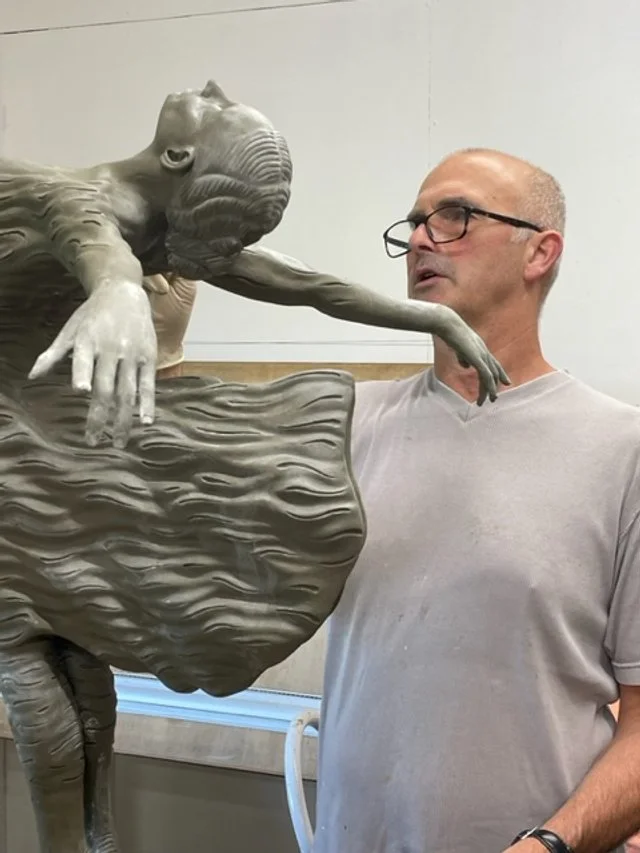
Jonathan Hateley Sculpture
Email: Contact@jonathanhateley.com
Phone: +44 (0)7941 800 002
Follow me on Social Media: